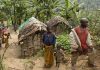
Every year on September 27th, the world joins together to celebrate World Tourism Day. This special day was set by the United Nations World Tourism Organization (UNWTO) to recognize how tourism supports countries, creates jobs, and promotes the protection of culture and the environment. For Uganda, tourism is more than just travel – it is a lifeline that connects people, businesses, and communities, while showing the world the beauty of the “Pearl of Africa.”
How Tourism Promotes Uganda
Tourism has played a big role in putting Uganda on the world map. Visitors who come to Uganda experience its rich culture, diverse wildlife, hospitable people, and beautiful landscapes. From the snowcapped Rwenzori Mountains, the powerful Murchison Falls, to the famous mountain gorillas in Bwindi, Uganda is a country full of wonders.
Because of these attractions, Uganda is now recognized as one of the top destinations in Africa. International travel magazines, bloggers, and documentaries often feature Uganda, which helps attract more visitors. Tourism has become one of the strongest voices telling the world that Uganda is safe, beautiful, and worth visiting.
Travellers can enjoy Uganda either by booking their trips through travel agents or they can decide to travel independently through renting a car and to self-drive Uganda privately.
How Uganda Benefits from Tourism
This is one of Uganda’s leading foreign income earners. When tourists come, they spend money on hotels, restaurants, transport, entrance fees, guides, and souvenirs. This money supports both the government and private businesses.
The government benefits through taxes and park entry fees, which are then used to conserve wildlife and improve infrastructure like roads and airports. At the same time, private businesses such as lodges, car rentals, craft shops, and tour companies grow because of the services they provide to visitors.
How Local Communities Benefit
The business has also reached local communities in many ways. Around the national parks, people who once saw wildlife as a threat now see it as a source of income. For example:
Communities around Bwindi Impenetrable National Park earn from gorilla trekking permits, cultural performances, and selling crafts to tourists.
In areas like Queen Elizabeth National Park, community lodges and homestays give visitors a chance to live with locals, share meals, and learn about traditional lifestyles.
Cultural sites such as Kasubi Tombs, Ndere Cultural Centre, and local craft markets in Kampala allow Ugandans to share their traditions while earning a living.
This shows that tourism is not only about animals and landscapes, but also about people and their cultures.
How Businesses Rely on Each Other in Tourism
Tourism in Uganda is built on teamwork. No single business can succeed alone. For example:
A tour operator needs hotels to host clients, car rentals for transport, and restaurants to provide food.
Hotels depend on farmers for fresh produce, drivers to bring in guests, and artisans to supply décor and crafts.
Airlines and airports rely on travel agents and tour companies to bring in passengers.
This chain of businesses working together shows how tourism supports the wider economy. When one part grows, the others also benefit.
How Tourism Stimulates Businesses in Uganda
This sector has created opportunities for many small and big businesses. Some examples include:
Hotels and lodges: From luxury resorts to budget guesthouses, thousands of jobs have been created in accommodation.
Transport services: Competent car rental companies, boda-bodas, buses, and airline operators all earn from tourists moving around the country.
Food and agriculture: Farmers supply fruits, vegetables, meat, and drinks to hotels and restaurants serving tourists.
Handicrafts: Women and youth groups make baskets, jewelry, paintings, and clothes that visitors buy as souvenirs.
Technology: Websites, online booking systems, and digital marketing platforms have grown because of tourism demand.
Tourism therefore acts like an engine that powers many other sectors.
Where Was Uganda Before Tourism and Now?
Before tourism became strong, Uganda relied mostly on agriculture as its backbone. Cash crops like coffee, cotton, and tea were the main exports. While agriculture still supports the country, tourism has now grown into a major pillar of the economy.
In the past, few international visitors knew about Uganda, partly because of political instability and lack of promotion. Today, Uganda is stable and has worked hard to market its beauty worldwide. Tourist arrivals have grown, and the income generated is much higher than it was 20 years ago.
Tourism has also changed the image of Uganda globally. From being known for its struggles in the 1970s and 1980s, Uganda is now celebrated as a destination for adventure, wildlife, and culture.
Do Visitors Enjoy Uganda?
Yes, visitors truly enjoy Uganda. Many describe their experiences as life-changing. Gorilla trekking in Bwindi is often called the “highlight of Africa,” and game drives in parks like Murchison Falls or Kidepo Valley leave guests amazed by the variety of wildlife.
Tourists also love the friendliness of Ugandan people. Unlike in some destinations, visitors here often feel welcomed, safe, and part of the community. The chance to dance to traditional music, taste local dishes like matooke, and interact with warm-hearted locals makes Uganda stand out.
Adventure seekers enjoy rafting on the Nile, hiking volcanoes in Kisoro, or exploring crater lakes in Fort Portal. Others appreciate Uganda’s cultural festivals, bustling markets, and modern city life in Kampala.
Many tourists leave with good memories, and some return with friends or family. Their positive reviews and recommendations help attract even more visitors.
Is Uganda Benefiting from Tourism?
Absolutely yes, Uganda is benefiting greatly from tourism. It has become one of the country’s biggest sources of foreign exchange. Thousands of jobs have been created directly in hotels, lodges, and tour companies, while many more are supported indirectly in farming, crafts, and services.
The sector has also played a role in conserving Uganda’s natural heritage. Without the money from visitors, protecting gorillas, elephants, lions, and forests would be very difficult. Communities now understand that wildlife has value, which reduces poaching and deforestation.
At a national level, tourism has improved Uganda’s image abroad, attracting investors and strengthening international partnerships.
World Tourism Day is not just about celebrating travel; it is about recognizing how tourism connects people, cultures, and economies. For Uganda, tourism has opened doors of opportunity. It has promoted the country’s beauty, supported communities, created jobs, and strengthened businesses.
Uganda’s journey from a little-known destination to one of Africa’s most admired travel spots shows the power of tourism. Visitors enjoy their time here, and their presence continues to shape the future of the country.
As the world marks World Tourism Day on September 27th, Uganda stands proudly as an example of how tourism can transform a nation – from protecting wildlife and culture to uplifting local people and building a brighter tomorrow.